


- Home
- >
News
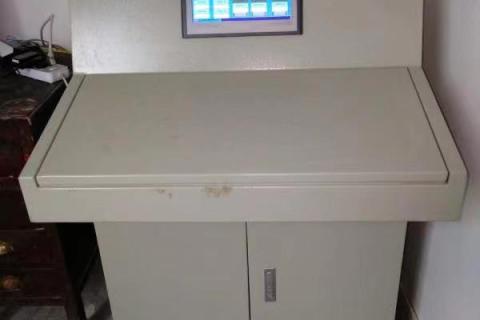
the automatic control can reduce the burden of operators, its basic operation is from the calcium carbide loading to acetylene gas cylinders filling, which the whole process is automatic operation, also some functions can be increased according to the requirements of customers
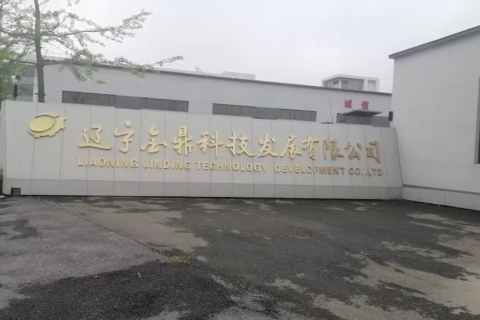
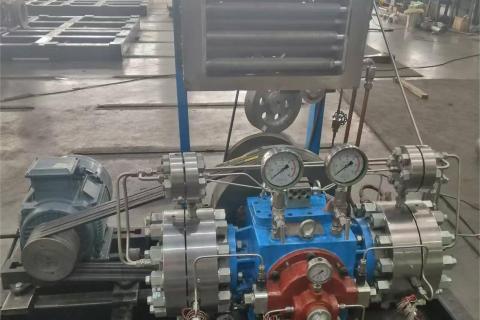
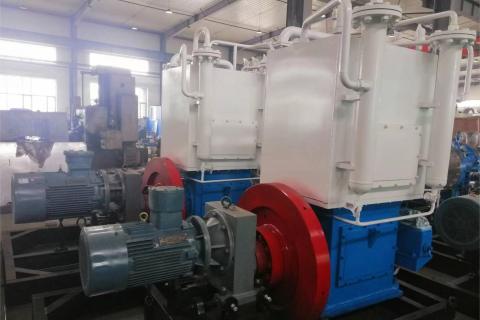
Liaoning Jinding Technology Development Co., Ltd. is a professional manufacturer which produce acetylene gas equipments, various diaphragm compressor and different kinds of mechanical seal such as metal bellows seal, mechanical seal supporting system, cryogenic bellows seal, hand pump and cyclone separator etc.
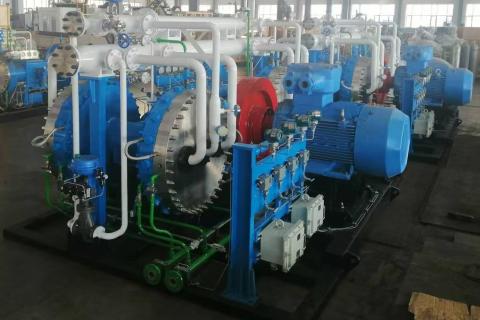
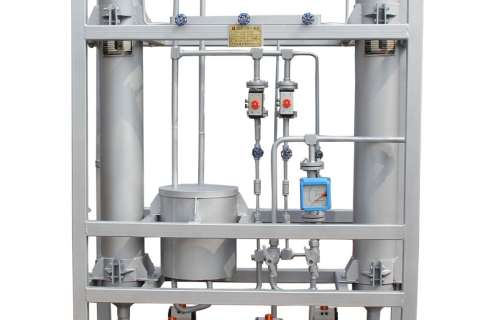
The function of this equipment is based on the principle of natural balance of adjacent adsorbent loads. In the drying stage, the adsorbent adsorbs water from the gas with high pressure flowing through the GZ-120/25 Molecular sieve high pressure acetylene gas dryer manual adsorber. During regeneration, a small amount of depressurized dry gas is replayed and regenerated through the adsorbent adsorbing water. Use the adsorption released by the gas in the drying process to heat the regeneration gas with reduced temperature after decompression, so as to improve the regeneration effect and reduce the regeneration consumption.
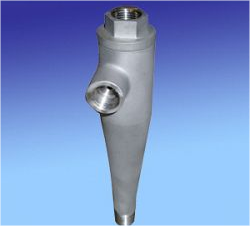
Cyclone dust separator HWCS 2 "is a device used for cleaning aqueous liquids containing dirt and solid particles, and can transport the cleaned liquid to sealed areas or other required areas. The design features of this device include standardized design, optional housing materials, and threaded connections that meet most commonly used connection requirements
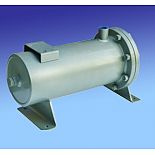
The heat exchanger of mechanical seals is an important component used to cool the mechanical seal barrier/buffer/flushing fluid, which helps to reduce the temperature of the sealing surface, thereby optimizing sealing performance and lifespan.
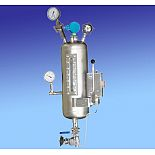
A fluid reservoir for a pump mechanical seal is an essential component of the sealing system, particularly for double seal arrangements. It serves several important functions: Buffering: It provides a buffer for the process fluid, preventing it from coming into direct contact with the atmosphere, which can be critical in applications where the process fluid is hazardous or toxic. Pressure Control: The reservoir can help in maintaining a stable pressure within the seal chamber, which is crucial for the proper functioning of the mechanical seal. Lubrication: It can act as a source of lubrication for the seal faces, reducing friction and wear. Cooling: In some cases, the fluid reservoir can also serve to cool down the process fluid, preventing overheating of the seal faces. Flushing: It can provide a means for flushing the seal chamber with clean fluid, which is especially important in applications where the process fluid is abrasive or corrosive. Compensation for Thermal Expansion: The reservoir can compensate for any thermal expansion or contraction of the process fluid, maintaining the correct volume and pressure within the seal chamber.
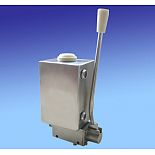
selecting a hand refill pump for mechanical seals, it is important to consider the specific application requirements, including the type of fluid being handled, the operating conditions, and the necessary safety and reliability features to ensure the pump meets the needs of the system it will be used in.
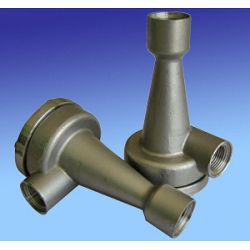
The HWCS1 cyclone separator operates on the principle of centrifugal separation, separating solid particles from the pump discharge pipeline and transporting them to the mechanical seal chamber through the overflow outlet point of the cyclone. This type of equipment is crucial for preventing the leakage of hazardous liquids such as crude oil and sulfuric acid, while allowing the pump shaft to rotate relative to the static pump body. The design and understanding of the geometric parameters of a cyclone separator are crucial for ensuring the cooling flow rate and pressure drop of mechanical seals, in order to ensure effective cooling and operational integrity of the sealing surface
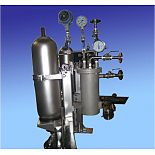
The Plan 53B system is a closed loop piping system that circulates and isolates liquids between sealed double seal arrangements to cool and lubricate the inner and outer seals. The system provides circulation through an internal pump ring and uses a heat exchanger to remove heat.